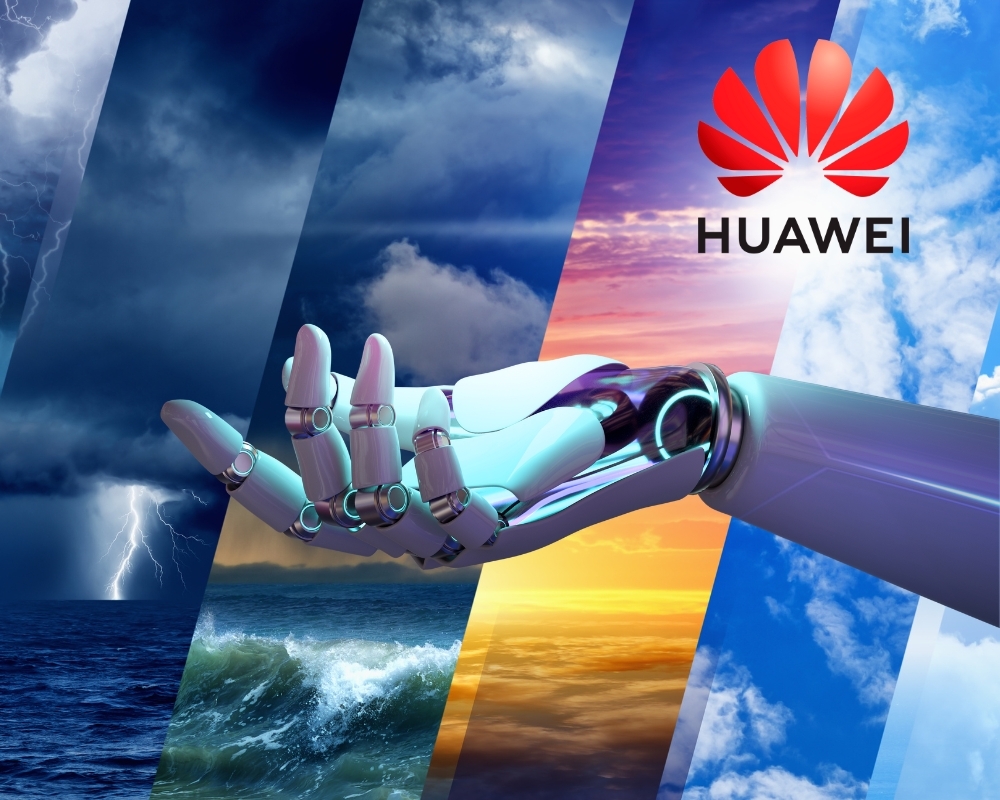
Huawei's remarkable endeavors in combatting climate change are emblematic of the pioneering AI-powered Pangu model. As we approach COP28, a pivotal juncture in the global climate action discourse, it becomes increasingly imperative to embark on an exploratory journey toward innovative solutions to address this exigent existential threat to our planet.
One of the paramount contributors to the amelioration of climate change effects resides in the realm of precise weather forecasting. The provision of accurate weather information endows decision-makers with the capability to formulate policies and enact measures that judiciously account for the ramifications of climate patterns on environmental conditions.
A notable paradigm shift in weather forecasting is on the horizon, catalyzed by the confluence of artificial intelligence (AI) and cloud computing.
By harnessing the profound capabilities of AI and the inexhaustible computational prowess of cloud computing, we can forge a dynamic and highly efficient system that not only facilitates the comprehensive comprehension and monitoring of our environment's intricacies but also expedites the development of sustainable solutions for a more resilient future.
One of the paramount contributors to the amelioration of climate change effects resides in the realm of precise weather forecasting. The provision of accurate weather information endows decision-makers with the capability to formulate policies and enact measures that judiciously account for the ramifications of climate patterns on environmental conditions.
A notable paradigm shift in weather forecasting is on the horizon, catalyzed by the confluence of artificial intelligence (AI) and cloud computing.
By harnessing the profound capabilities of AI and the inexhaustible computational prowess of cloud computing, we can forge a dynamic and highly efficient system that not only facilitates the comprehensive comprehension and monitoring of our environment's intricacies but also expedites the development of sustainable solutions for a more resilient future.

Pangu-Weather and Its Unprecedented Potential
A groundbreaking innovation deserving of profound attention is the pioneering Pangu Model, meticulously elucidated in a whitepaper featured in the esteemed scientific journal Nature, and underpins Huawei's substantial strides in addressing climate change.
This model harnesses the expansive computational capabilities of cloud computing to process copious volumes of environmental data from global sources. Leveraging AI algorithms, Pangu has the capacity to discern intricate patterns and dynamics within our climate system that were hitherto inconceivable. It boasts an unparalleled accuracy in the identification and prediction of climate patterns, including storm intensity, sea-level fluctuations, and regional temperature variances.
The whitepaper, titled "Accurate Medium-Range Global Weather Forecasting with 3D Neural Networks," further expounds on Huawei's achievement in constructing a precise global AI weather forecast system through the application of deep learning techniques and 43 years' worth of historical data. Pangu-Weather stands as the pioneering AI prediction model, distinctly surpassing traditional numerical weather forecasting methods in precision. This model realizes an astonishing 10,000-fold enhancement in prediction speed, reducing global weather prediction from a week to a mere hour. Independent validation of these capabilities is corroborated in the Nature publication.
This model harnesses the expansive computational capabilities of cloud computing to process copious volumes of environmental data from global sources. Leveraging AI algorithms, Pangu has the capacity to discern intricate patterns and dynamics within our climate system that were hitherto inconceivable. It boasts an unparalleled accuracy in the identification and prediction of climate patterns, including storm intensity, sea-level fluctuations, and regional temperature variances.
The whitepaper, titled "Accurate Medium-Range Global Weather Forecasting with 3D Neural Networks," further expounds on Huawei's achievement in constructing a precise global AI weather forecast system through the application of deep learning techniques and 43 years' worth of historical data. Pangu-Weather stands as the pioneering AI prediction model, distinctly surpassing traditional numerical weather forecasting methods in precision. This model realizes an astonishing 10,000-fold enhancement in prediction speed, reducing global weather prediction from a week to a mere hour. Independent validation of these capabilities is corroborated in the Nature publication.
The Synergistic Potential of Cloud Computing and AI by Huawei
Simultaneously, the synergistic amalgamation of AI and cloud computing harbors the potential to revolutionize the renewable energy sector. AI systems, endowed with their unparalleled data processing capabilities, can optimize the generation, distribution, and consumption of renewable energy resources. Advanced machine learning methodologies can accurately anticipate energy demands, culminating in heightened efficiency and a diminished carbon footprint.
The robust infrastructure of cloud computing furnishes the indispensable capabilities for data storage and processing, guaranteeing the seamless integration of AI technologies into our existing energy systems.
Moreover, through the deployment of AI technologies, we can elevate the integration of renewable energy sources into the grid, adeptly manage energy demand, and harmonize supply and consumption. AI-driven smart grids, buildings, and urban ecosystems empower us to minimize wastage, diminish reliance on fossil fuels, and propel the widespread adoption of sustainable energy practices.
Recognizing the pivotal role of technology in the battle against climate change, the forthcoming 28th Conference of the Parties (COP28) assumes paramount significance in galvanizing the global technology community toward this imperious endeavor. The International Telecommunication Union (ITU), in concert with a consortium spanning the United Nations, governmental bodies, corporations, and civil society, will convene the Green Digital Action Track at COP28.
The Green Digital Action Track will be devoted to harnessing the potential of AI, cloud computing, and other digital technologies to amplify climate action initiatives.
By fostering collaboration and partnerships among stakeholders, this initiative aspires to expedite the development and implementation of innovative digital solutions that underpin sustainability and combat climate change.
AI technology, an integral facet of this track, possesses the potential to be a transformative force, potentially enabling us to realize a momentous 70% reduction in carbon emissions by 2060. Huawei remains steadfast in its commitment to harnessing the power of AI through Pangu-Weather.
The robust infrastructure of cloud computing furnishes the indispensable capabilities for data storage and processing, guaranteeing the seamless integration of AI technologies into our existing energy systems.
Moreover, through the deployment of AI technologies, we can elevate the integration of renewable energy sources into the grid, adeptly manage energy demand, and harmonize supply and consumption. AI-driven smart grids, buildings, and urban ecosystems empower us to minimize wastage, diminish reliance on fossil fuels, and propel the widespread adoption of sustainable energy practices.
Recognizing the pivotal role of technology in the battle against climate change, the forthcoming 28th Conference of the Parties (COP28) assumes paramount significance in galvanizing the global technology community toward this imperious endeavor. The International Telecommunication Union (ITU), in concert with a consortium spanning the United Nations, governmental bodies, corporations, and civil society, will convene the Green Digital Action Track at COP28.
The Green Digital Action Track will be devoted to harnessing the potential of AI, cloud computing, and other digital technologies to amplify climate action initiatives.
By fostering collaboration and partnerships among stakeholders, this initiative aspires to expedite the development and implementation of innovative digital solutions that underpin sustainability and combat climate change.
AI technology, an integral facet of this track, possesses the potential to be a transformative force, potentially enabling us to realize a momentous 70% reduction in carbon emissions by 2060. Huawei remains steadfast in its commitment to harnessing the power of AI through Pangu-Weather.
Harnessing AI's Potential with Pangu-Weather
While the potential of AI in combatting climate change is irrefutable, the deployment and utilization of AI and cloud technologies must be executed judiciously, guided by a robust ethical framework. Safeguards must be rigorously enforced to protect privacy, ensure transparency, and minimize unforeseen consequences.
The establishment of international standards and guidelines governing the responsible utilization of AI technologies in the battle against climate change assumes paramount importance in fostering global cooperation and coordinated endeavors.
Climate change compels swift action, yet it simultaneously proffers us an opportunity to reimagine our problem-solving methodologies. By harnessing the power of AI, we unlock unparalleled potential in addressing this global crisis.
Technology proffers an array of avenues to combat climate change and foster a sustainable future, encompassing data analytics, intelligent energy systems, precision agriculture, and environmental surveillance. Through concerted effort, collaboration, and an unwavering dedication to innovation, we can ensure that AI emerges as an indispensable ally in our collective crusade against climate change.
The establishment of international standards and guidelines governing the responsible utilization of AI technologies in the battle against climate change assumes paramount importance in fostering global cooperation and coordinated endeavors.
Climate change compels swift action, yet it simultaneously proffers us an opportunity to reimagine our problem-solving methodologies. By harnessing the power of AI, we unlock unparalleled potential in addressing this global crisis.
Technology proffers an array of avenues to combat climate change and foster a sustainable future, encompassing data analytics, intelligent energy systems, precision agriculture, and environmental surveillance. Through concerted effort, collaboration, and an unwavering dedication to innovation, we can ensure that AI emerges as an indispensable ally in our collective crusade against climate change.