
AI, GPU Density, and Liquid Cooling Have Changed the Definition of “Clean”
A decade ago, data center cleaning was considered good practice.
In 2025 — it’s risk management.
As GPU clusters grow denser and liquid cooling becomes mainstream, even minimal dust, debris, or construction residue can cause:
- thermal throttling of GPUs,
- increased energy consumption,
- airflow disruption,
- reduced lifespan of high-value hardware,
- electrostatic discharge (ESD) events,
- overheating and unexpected outages.
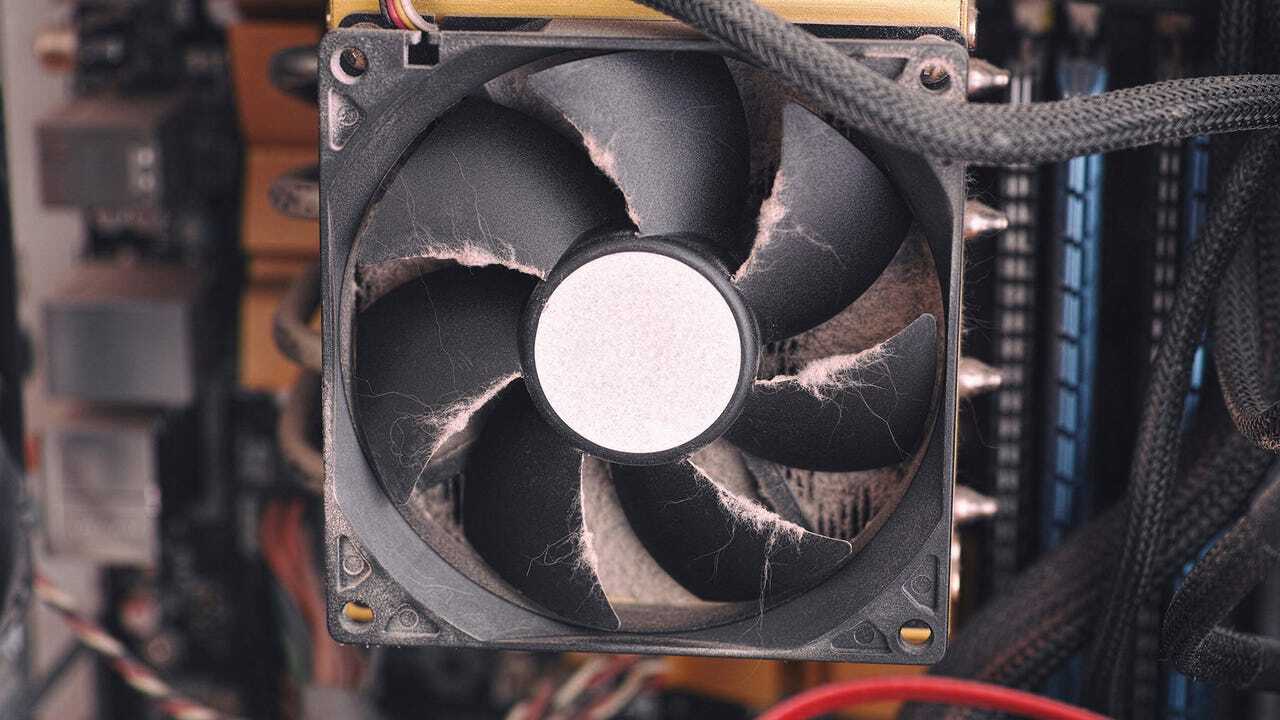
In high-density AI racks costing €250,000–€500,000 each, dust is no longer a cosmetic issue — it’s a financial and operational threat.
Hidden Contaminants: Why “Looks Clean” Isn’t Clean Enough
Professionals consistently find contaminants in:
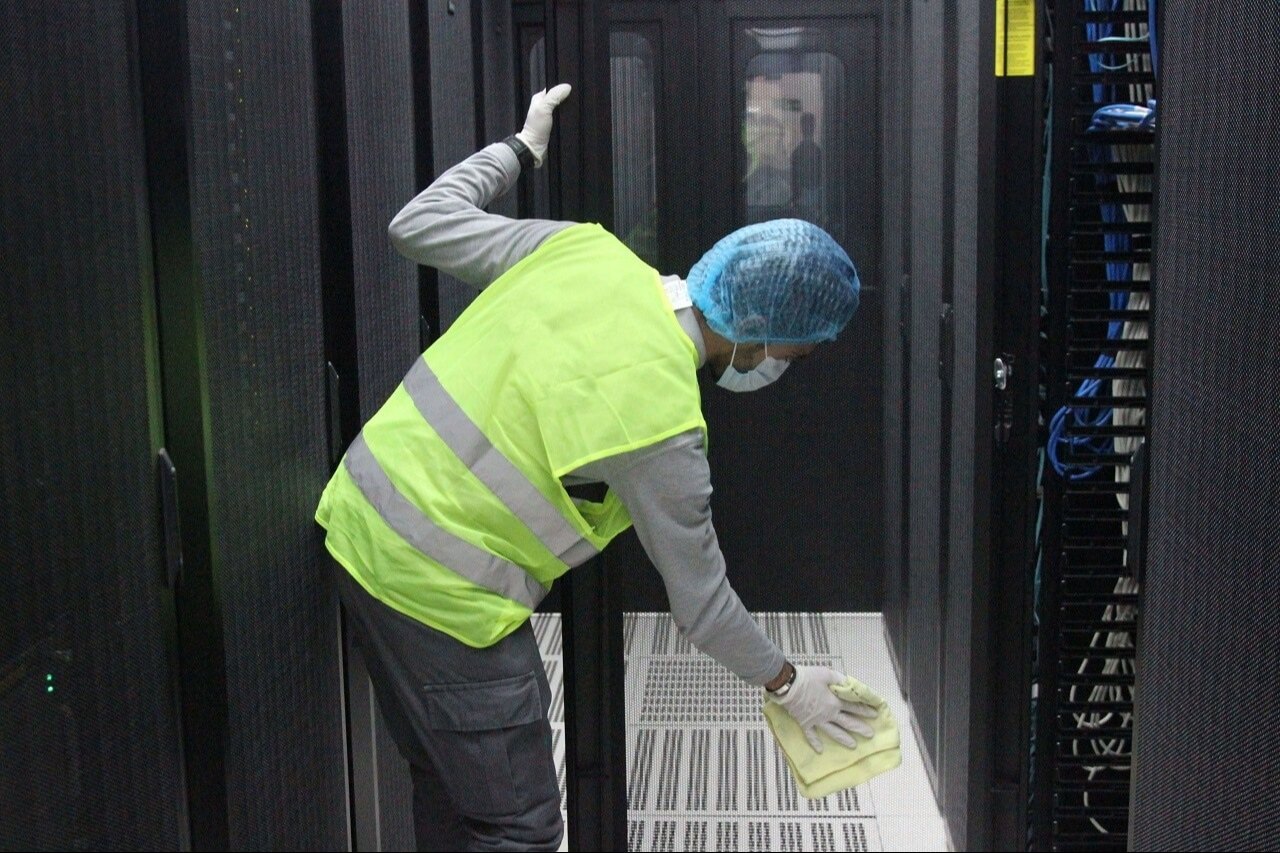
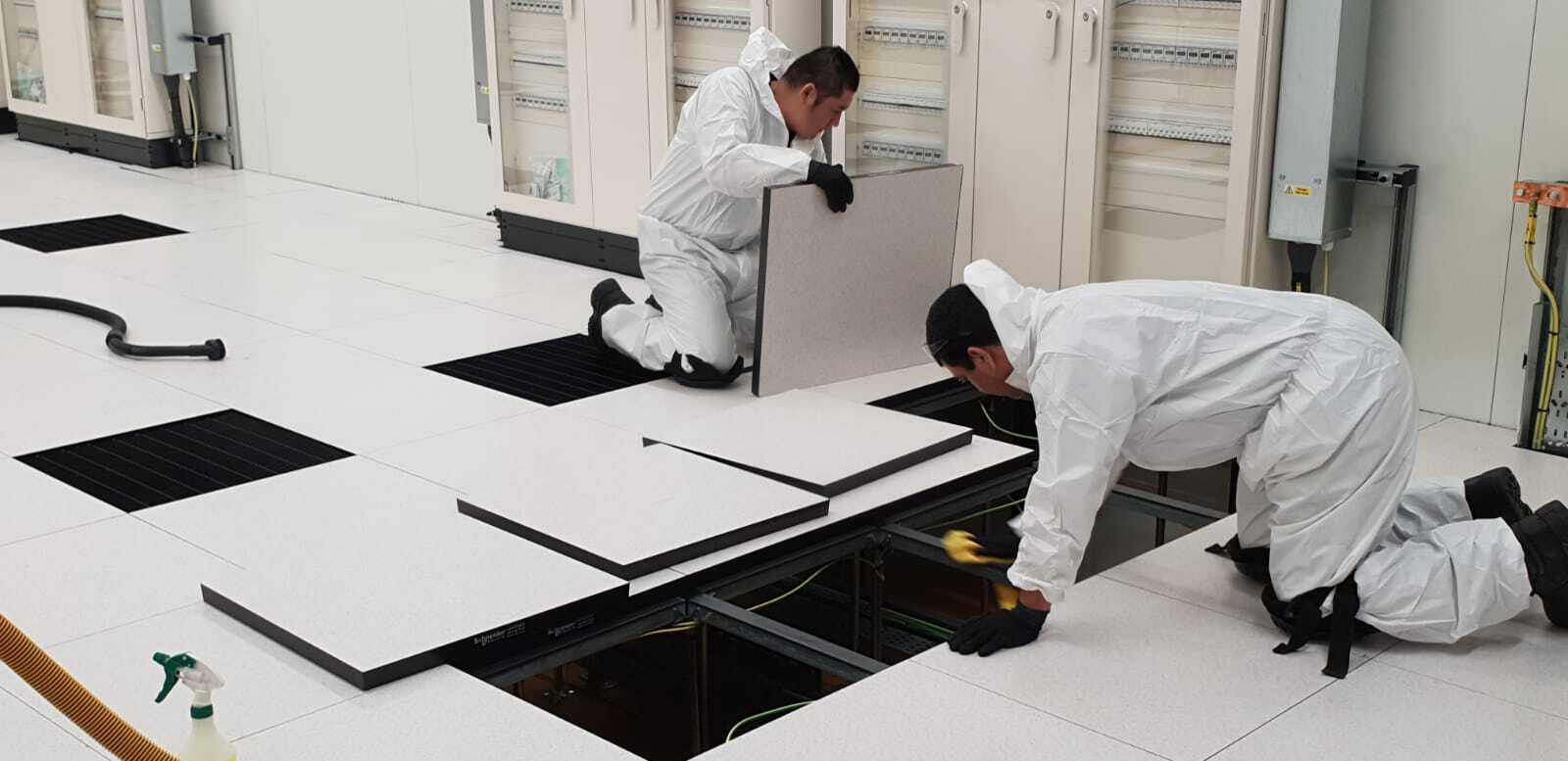
- underfloor cavities,
- cable trays and ceiling plenums,
- tops of racks and cabinets,
- vents and fan assemblies,
- liquid cooling loops,
- construction-phase debris.
Even a thin layer of dust can restrict airflow, raise temperatures, increase fan speed, and shorten hardware lifespan.
Liquid Cooling: Clean Fluids or Catastrophic Risk
Modern cooling loops rely on micro-capillary channels as fine as a human hair.
One particle can clog a cold plate.
One clog can overheat a €40,000 GPU in under a minute.
Fluid cleanliness requires:
- correct-pressure purging,
- lab-grade sampling,
- contamination-free filling,
- periodic glycol replacement,
- monitoring after any rack changes or expansions.
AI workloads, which operate at much higher thermal levels, accelerate fluid degradation and raise the importance of continuous monitoring.
Construction Debris: The Invisible Threat
New rooms, expansions, and upgrades introduce:
- concrete dust,
- drywall particles,
- insulation fibers,
- metal shavings.
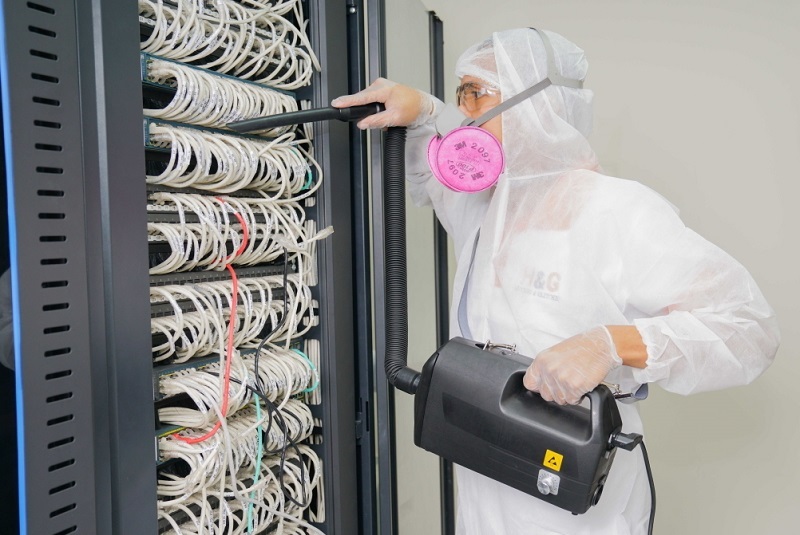
Once equipment is installed, these contaminants settle into inaccessible areas and eventually circulate through cooling systems.
Proper post-construction deep cleaning is mandatory before powering on equipment — yet it is frequently overlooked.
Why Traditional Cleaning Services Are Unsafe for Data Centers
General janitorial staff are usually not trained in:
- airflow and pressure zones,
- ESD protocols,
- contamination control,
- cable awareness,
- leak detection systems,
- safe-cleaning practices for live racks.
Incorrect tools, liquids, or chemicals can unintentionally cause outages or permanent equipment damage.
This is why mission-critical environments rely on specialized data center cleaning providers, not generic services.
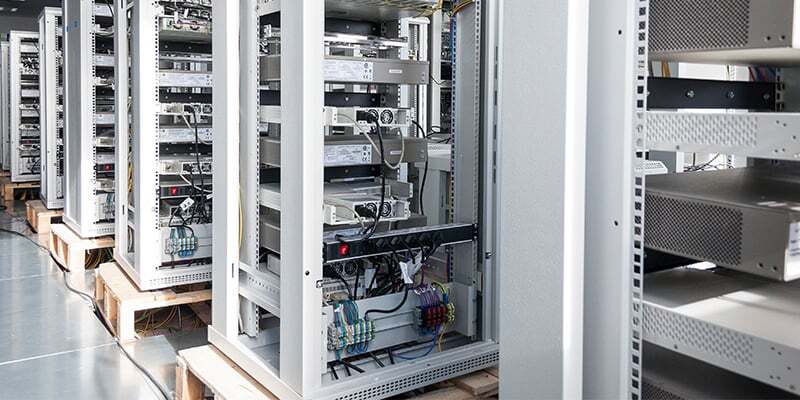
Recommended Cleaning Frequency for AI-Driven Data Centers
DATA Network Europe Observations:
- Monthly — high-density GPU and liquid-cooled racks
- Quarterly — mission-critical enterprise environments
- Biannual — low-density or legacy zones
- After construction / new rack deployments — mandatory deep clean
Reactive cleaning is almost always more expensive than preventive maintenance.
Self-Inspection Checklist (Quick Review)
Data center managers should check:
- tops of racks (white glove test)
- cable trays for buildup
- underfloor spaces
- air filters
- vents and fan assemblies
- wall and floor panels
Visible dust = compromised reliability.
Build AI Infrastructure That Stays Safe, Stable, and Efficient
DATA Network Europe does not provide cleaning services.
However, we support enterprises in designing and operating AI infrastructure environments that depend on proper contamination control.
We help organizations ensure:
- optimized airflow and thermal performance through correct rack layout and infrastructure design
- maximum stability of high-density GPU clusters
- longer hardware lifespan with proper environmental best practices
- efficient cooling strategies in both air and liquid-cooled systems
- lower operational and energy costs through infrastructure optimization
- reduced downtime risks via best-practice operational guidelines
Specialized cleaning is performed by certified providers —
our role is ensuring your AI environment is engineered and maintained to support reliability, performance, and long-term scalability.
Contact Us
📞 +421 949 457 169
🌐 data-network.eu